
TISCHER living cabins pass cold chamber test with outstanding results
- The TRAIL 230 S and BOX 230 S require only a fraction of the time needed to pass the standard and maximum heating tests.
- The test also confirms that the water installation functions perfectly and helps to optimise heat loss, temperature differences and condensation.
Kreuzwertheim. Anyone who chooses a TISCHER demountable cabin should always enjoy the exceptional combination of living comfort and technical reliability when travelling. In order to deliver on this promise, the company repeatedly carries out extensive technical tests and inspections.
For the first time, two cabin models were put through their paces in Truma’s cold chamber, with excellent results, as TISCHER Managing Director Patrick Sauer emphasises: “Both products passed the demanding test procedure at the Truma Climate Centre with flying colours. In both cases, we carried out the heating test in accordance with standard EN-1646-1 for motorhomes (level 2/April 2018) and additionally in the premium category. The key question here is how long it takes for the heating system installed in the cabins to reach the maximum room temperature of +30°C, even in extremely cold outside temperatures. This value is very important to us because we know that TISCHER customers like to holiday in cold regions, especially in the Nordic countries, where extreme cold can prevail at certain times of the year, for example at the North Cape.”
Cool test setup
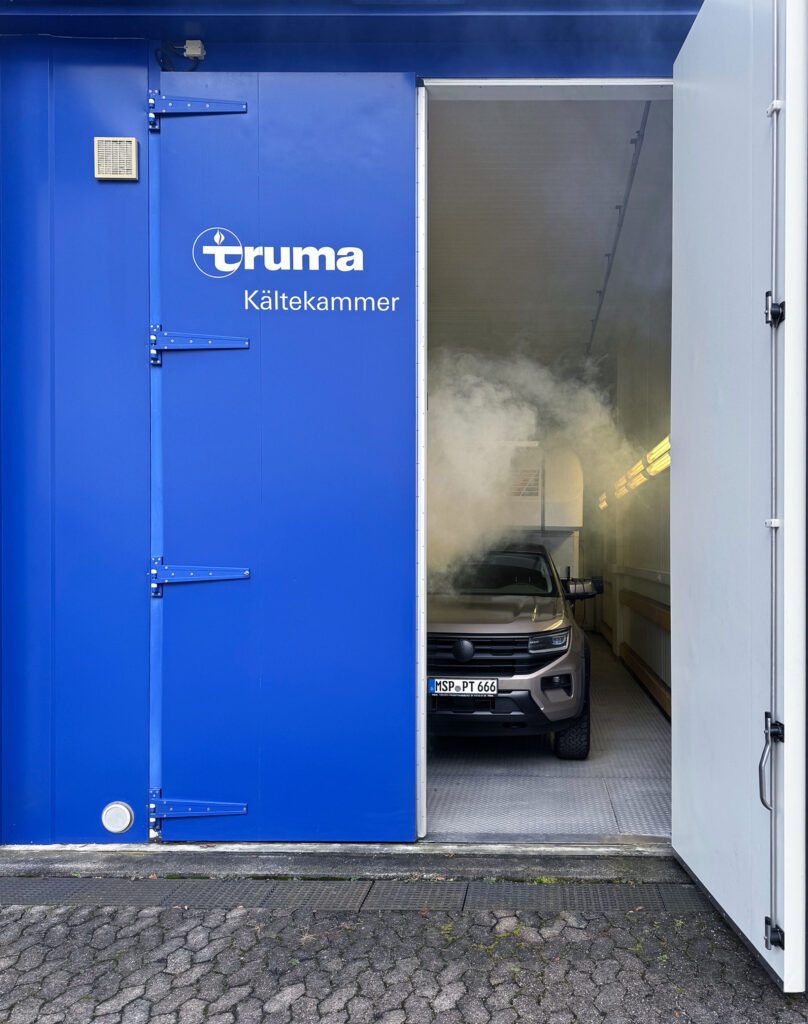
In the two tests for the TRAIL 230 S and the BOX 230 S, the Truma climate chamber was operated at -15°C and cooled to the lowest value of -30°C to determine the maximum temperature difference. The vehicles were cooled down to this temperature overnight. Before the heating test the following morning, all windows, doors, roof hatches and, where applicable, roller blinds had to be closed. Then the cabin heating system was put to the test. To meet the standard, a temperature difference of 35 Kelvin must be achieved within 4 hours. Both cabin models succeeded in significantly exceeding this test requirement and scored with a great result: the TRAIL 230 S took only 1 hour and 40 minutes instead of the specified 4 hours. In the BOX 230 S, the heating process to maximum room temperature took only 2 hours and 12 minutes. The bottom line is that even in extremely cold outside temperatures, a cosy, warm atmosphere is created inside the cabin in no time at all.
Water installation successfully tested
The Truma cold chamber test made it possible to check the safe functioning of the water installation under the given conditions. Both TISCHER demountable cabins also passed this test with flying colours. No abnormalities were detected during the heating process.
Additional test results promote future technical optimisations
At TISCHER, it is part of our product philosophy to constantly strive for the best in terms of function and comfort. This means that even proven and exemplary technical solutions are continuously refined. From this perspective, the cold chamber test, which was held for the first time, also hit the mark. The test also focused on investigations into the maximum temperature difference, the occurrence of heat loss, cold bridges, humidity, air circulation and condensation. The results are meticulously recorded in the test reports. Based on these, the test engineers have developed specific optimisation proposals that are extremely useful for TISCHER in order to further improve the climate control and technical performance of living cabins.
As a customer information service, TISCHER also publishes a regular newsletter, which interested parties can subscribe to on the website.
Test scenario with the TISCHER TRAIL 230 S in the Truma cold chamber. First, the vehicle was cooled down significantly. Then the interior heating was turned up to full power and reached the standard value of around 240 minutes after just 100 minutes.
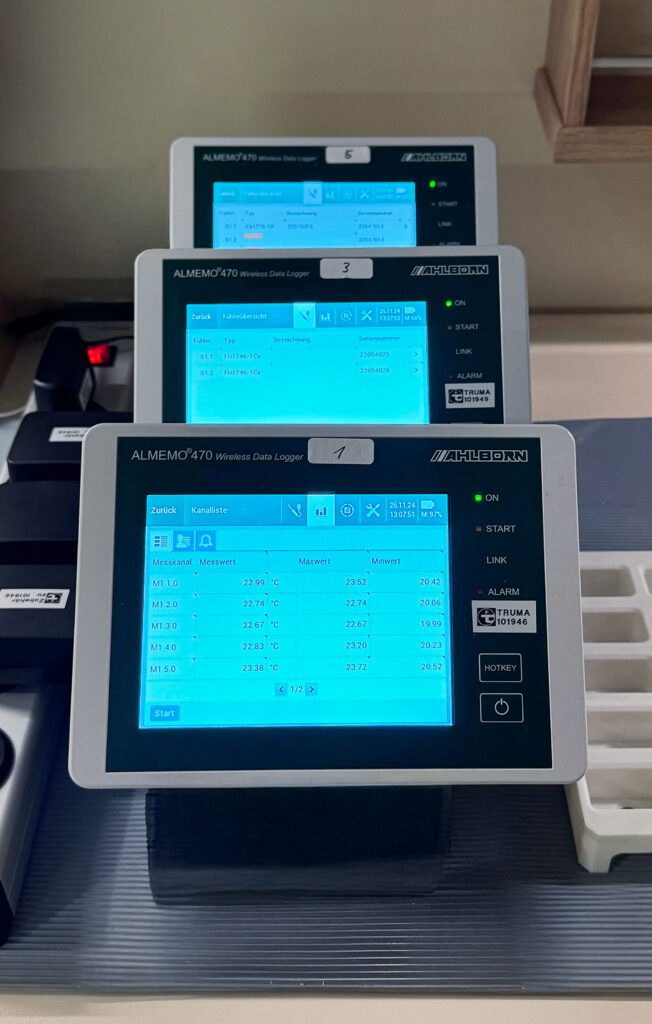
The testing procedure was very complex for both TISCHER living cabin models in order to determine other helpful parameters in addition to the heating interval.
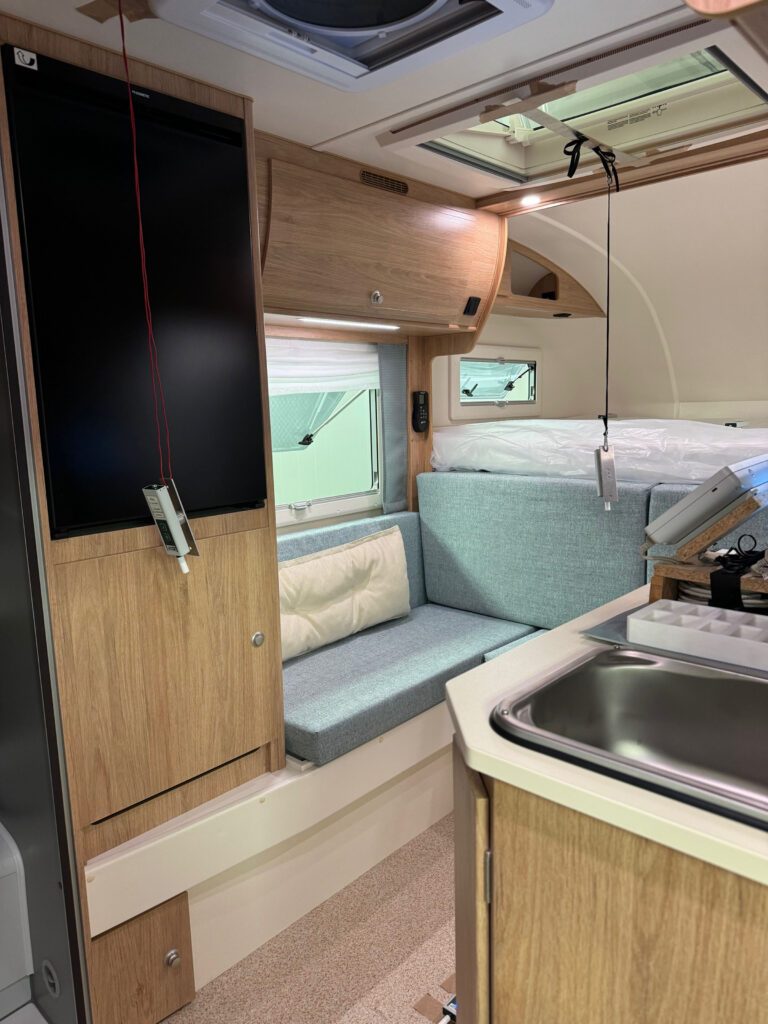
Sensors were distributed throughout the cabin interior to measure and record the rapidly rising temperature.

Tischer Newsletter
Always up to date: new products, promotions, trade fairs & news about pick-ups and camper cabins – straight to your inbox.